- Session time30–60 minutes
- AnaesthesiaTopical (for injections)
- DowntimeNone to minimal
- ReviewEvery 3–4 months
Not every hair concern needs surgery. Advanced hair restoration at Glow & Go Aesthetic Clinic starts with a proper diagnosis — trichoscopy, history and, where needed, blood tests — and builds a plan around the cause: prescription medical therapy, in-clinic PRP or growth-factor treatments, and practical scalp care. It is also how we protect the native hair around a transplant.
Who Is Advanced Hair Restoration For?
- Early pattern hair loss or diffuse thinning in men and women
- Hair fall linked to stress, illness, post-partum or nutritional causes
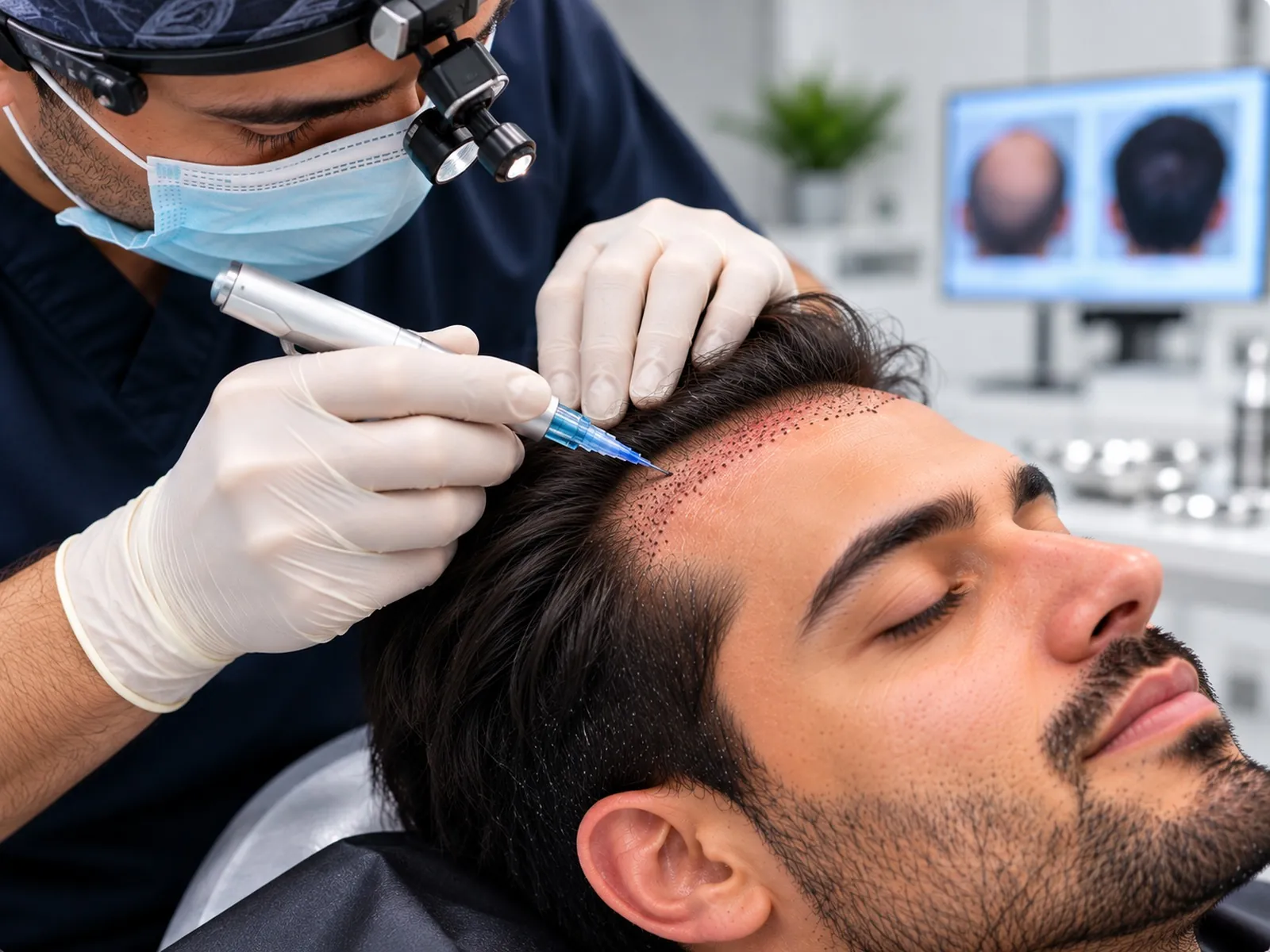
- Maintaining non-transplanted hair after FUE or DHI
- Patients not yet suitable for surgery, or who prefer to avoid it
Suitability is confirmed only after a consultation and examination with Dr. Naresh Wadhwa.
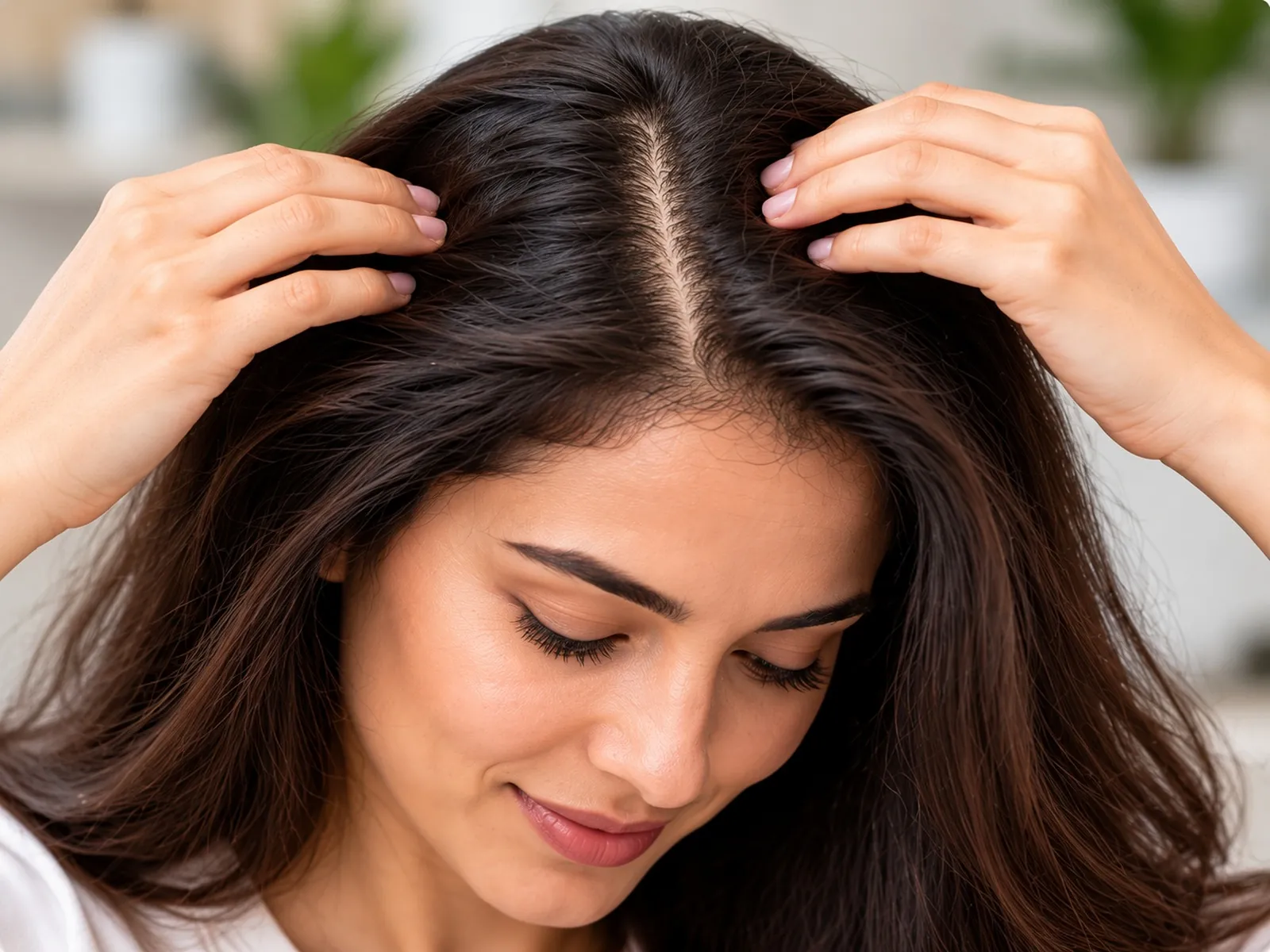
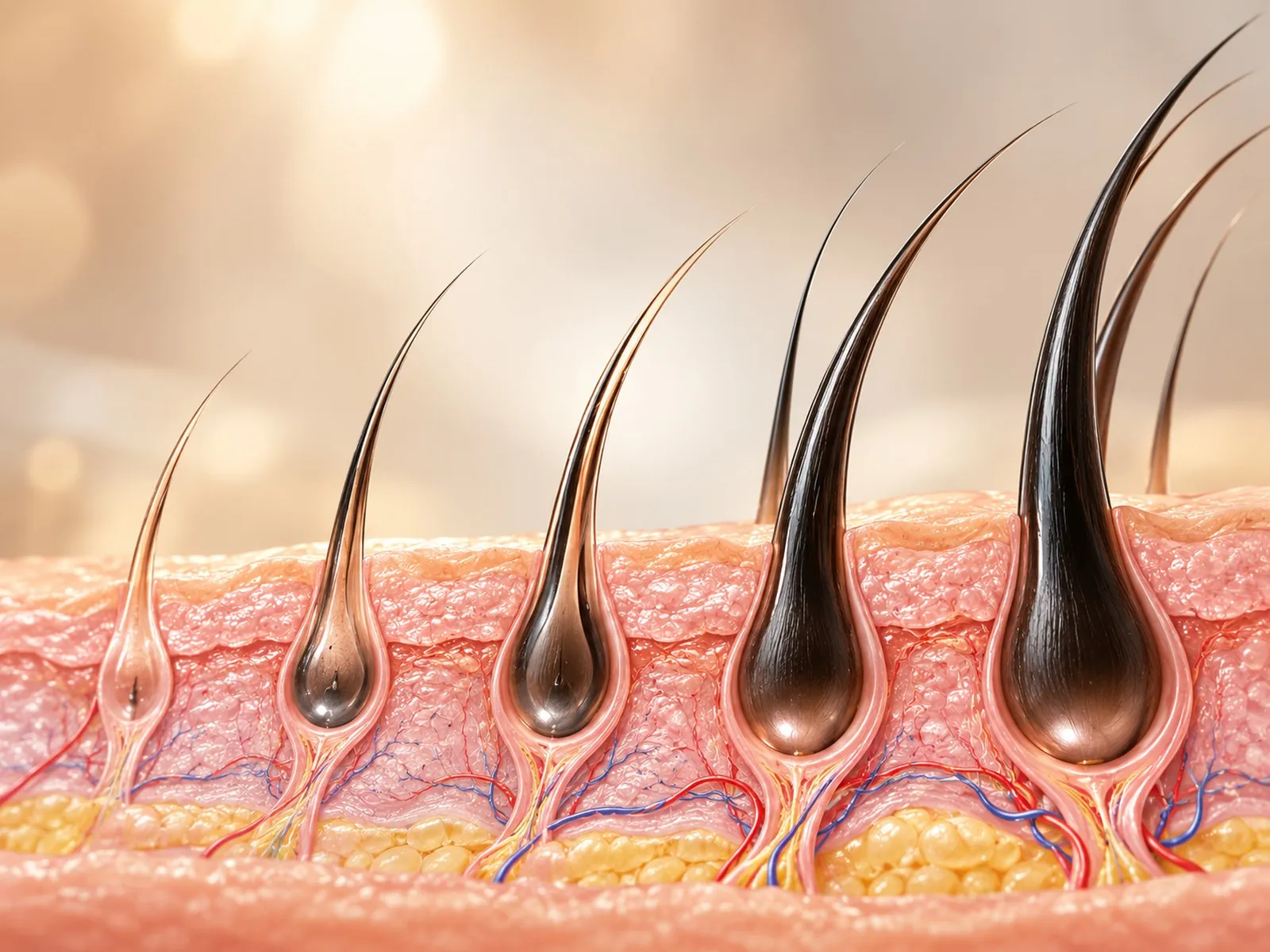
How Advanced Hair Restoration Works
Diagnosis
Scalp examination, trichoscopy and, where needed, tests to identify the type and cause of hair loss.
Medical plan
Evidence-based topical and/or oral therapy, prescribed and monitored by the doctor.
In-clinic procedures
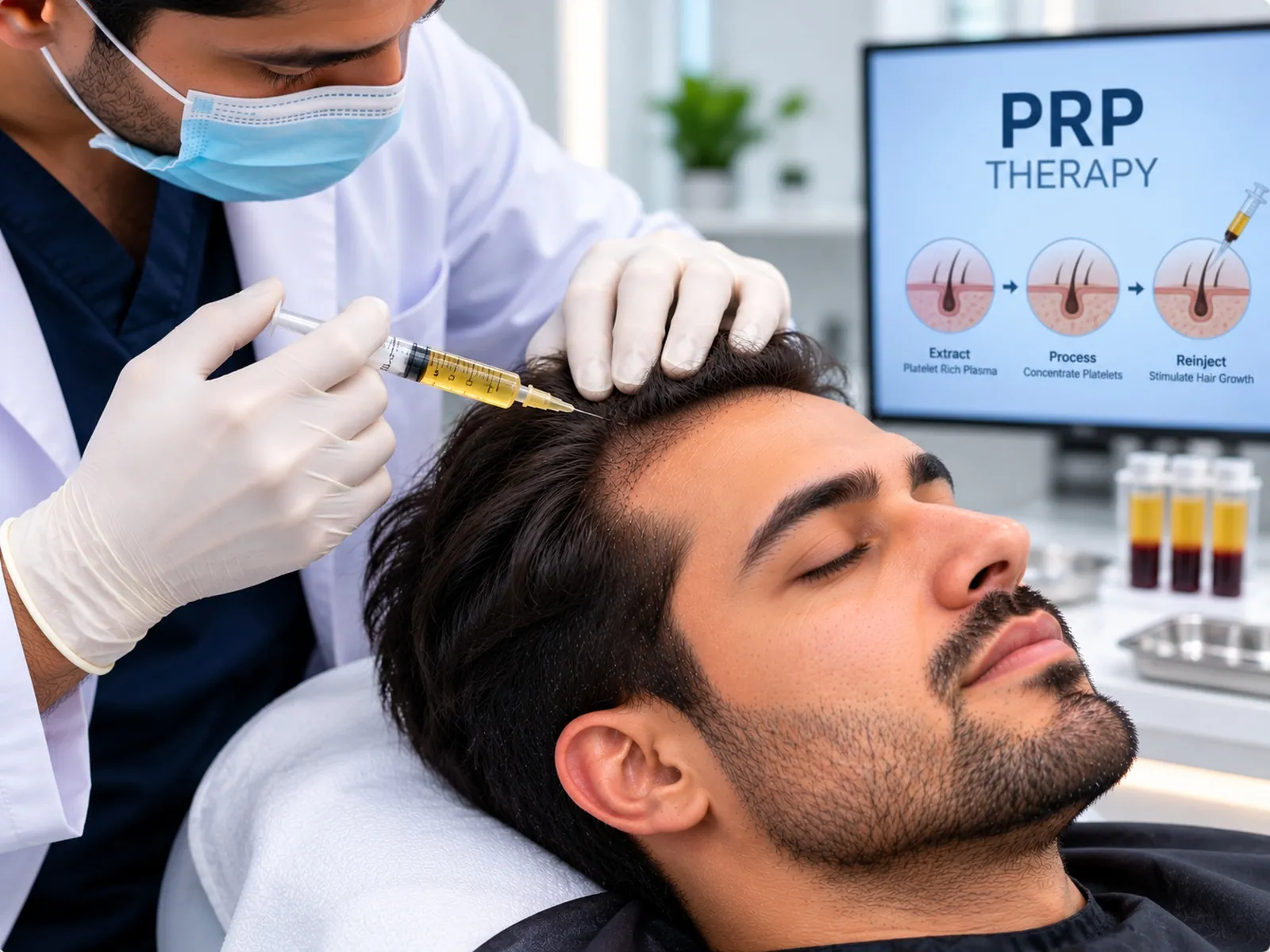
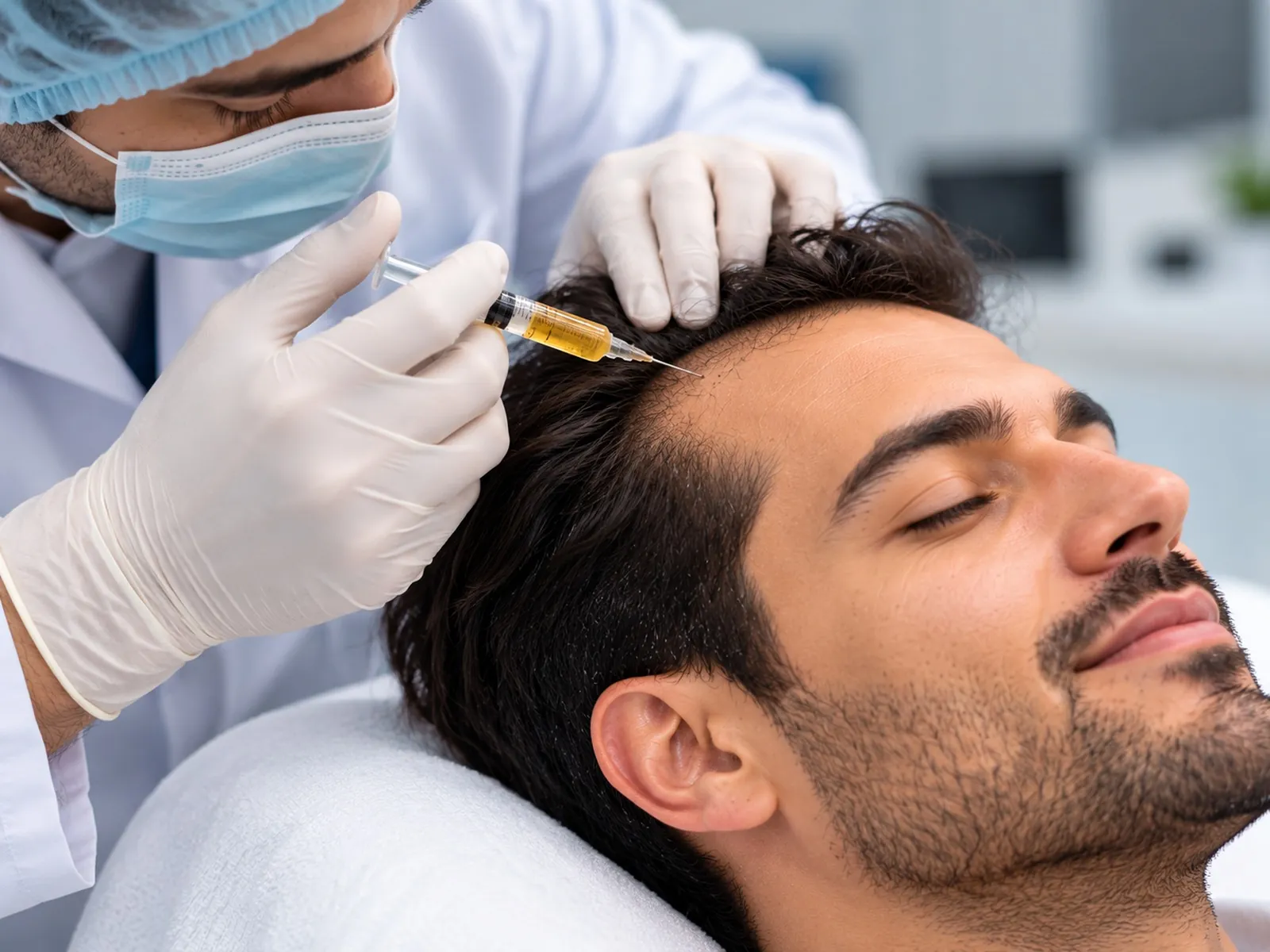
PRP, growth-factor concentrate or low-level laser therapy where appropriate for your diagnosis.
Review & adjust
Standardised photographs every 3–4 months to measure progress and adjust the plan.
Recovery & Aftercare
Most options have little or no downtime. Consistency matters more than intensity: results from medical therapy are usually assessed after six months of regular use, and stopping treatment generally allows the underlying process to resume.
Why Choose Glow & Go for Advanced Hair Restoration in Virar
- Diagnosis before any treatment is recommended
- Clear explanation of what each option can and cannot achieve
- Combined plans that protect a transplant investment
- Objective progress tracking with standardised photography
Advanced Hair Restoration FAQs
Can hair regrow without surgery?
In early or diffuse thinning, medical therapy and procedures such as PRP can slow loss and improve density for many patients. Follicles that have been inactive for many years are less likely to respond, which is why early assessment matters.
Do I need to continue treatment forever?
Pattern hair loss is progressive. Medical therapy works while it is used; stopping typically allows thinning to continue. We discuss a sustainable long-term plan with you.
How is this different from a hair transplant?
Restoration treats and protects the hair you have; a transplant moves follicles into areas that are already bald. Many patients benefit from both, in sequence.